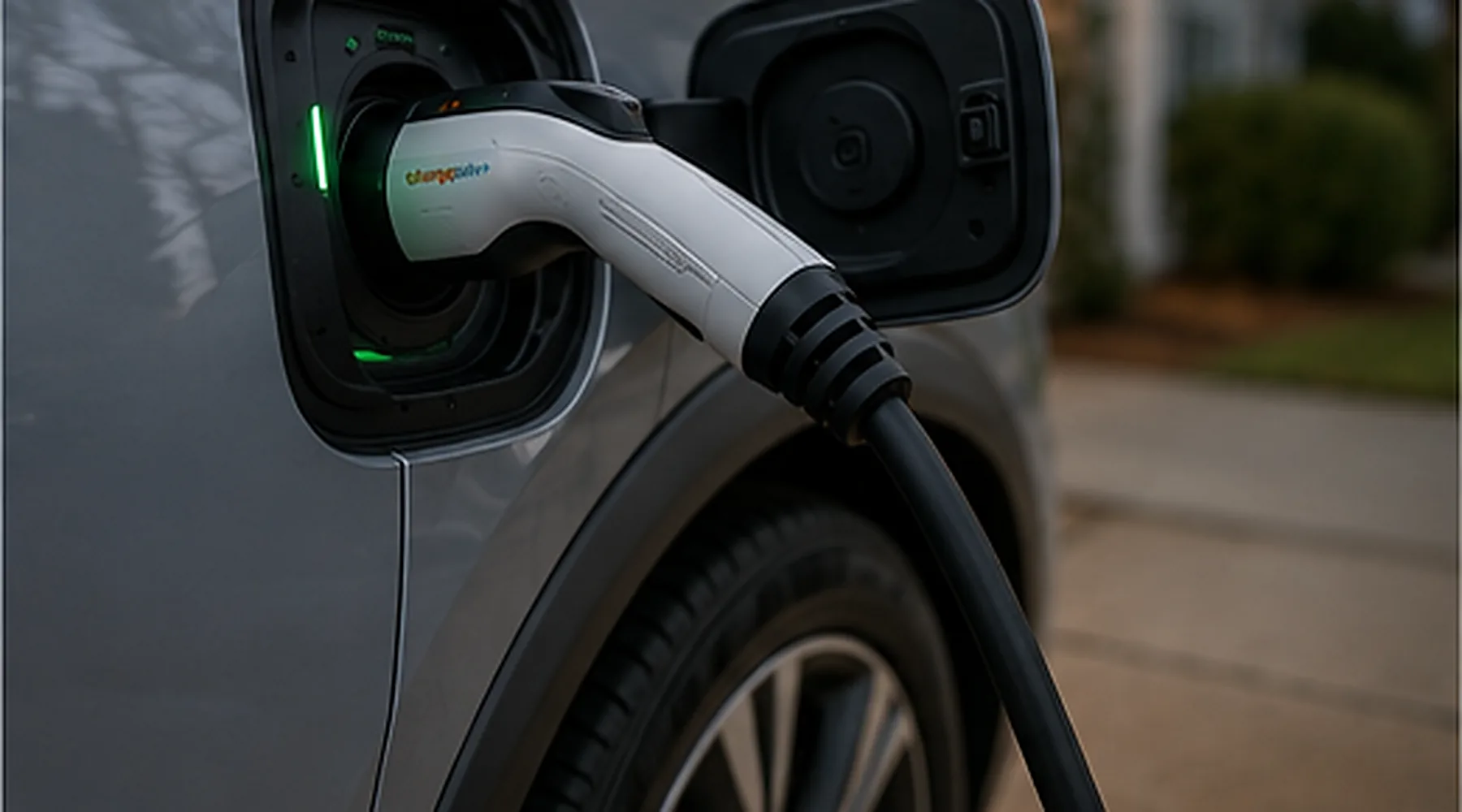
Buying a used EV should not require a leap of faith.

Battery Health

Know exactly what you are buying.
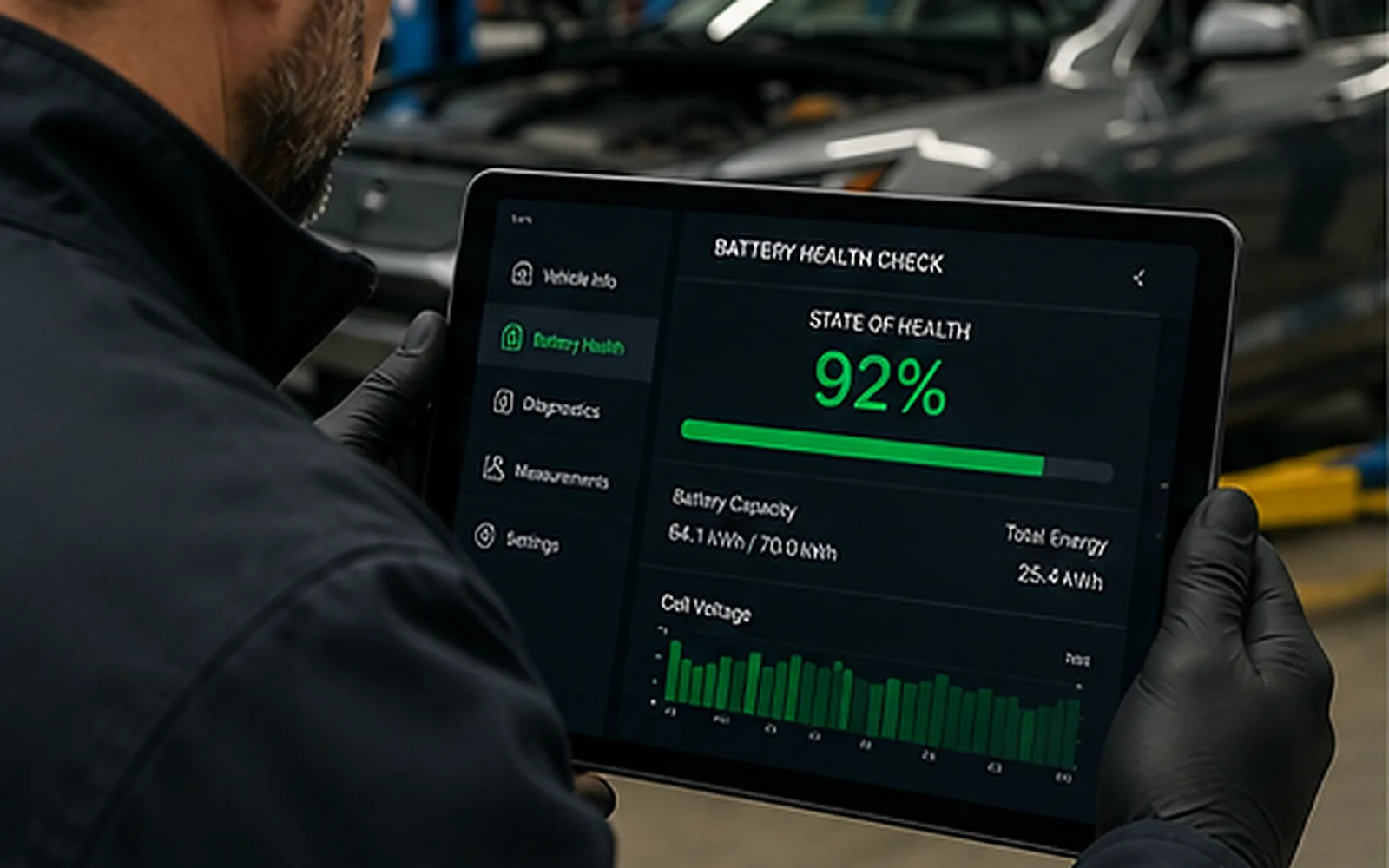
EV battery health inspection

Checked before it hits the lot

  • We pull a state-of-health reading on every EV we take in
  • Range and degradation are discussed up front, not after the test drive
  • Ask us for the numbers on any vehicle — we will show you

Warranty Coverage

Most of these are still covered.
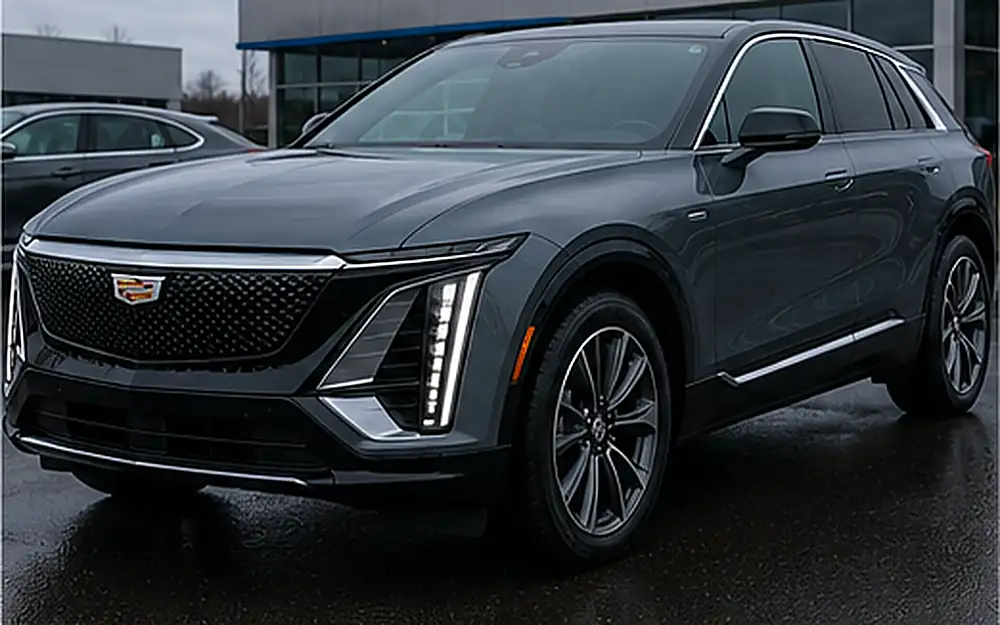
EV battery warranty coverage

8 years / 100,000 miles, and it transfers

  • Federal law requires at least 8 years or 100,000 miles of EV battery coverage
  • That coverage follows the car to you as the next owner
  • Many of our vehicles are only two to four years old — years of coverage left

Home Charging

Most owners rarely use a public charger.
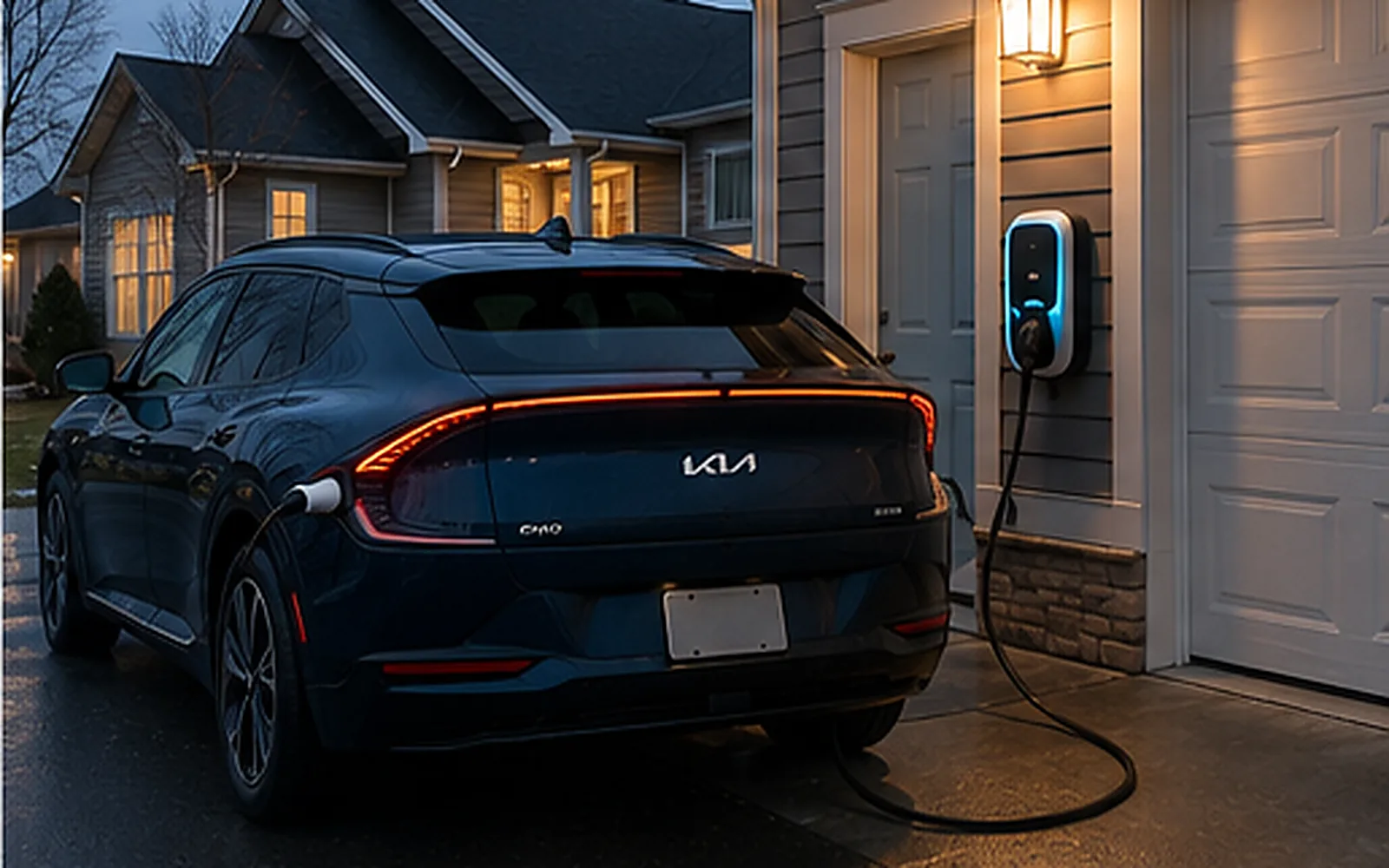
Home EV charging setup

Plug in tonight, full by morning

  • Level 1 works off a standard wall outlet on day one — no electrician
  • Level 2 adds a full charge overnight for most daily driving
  • We will walk you through what your driveway actually needs

The federal used-EV credit ended. Used EV prices did not wait for it.

The $4,000 federal used clean vehicle credit ended for vehicles acquired after September 30, 2025. The better news is that steep first-owner depreciation has already done the heavy lifting — our inventory runs from $13,995 to $69,995, with most vehicles landing between $24,000 and $36,000. You are buying the same battery, motor and software for a fraction of what the first owner paid, and skipping gas and oil changes on top of it.

Questions about buying a used EV?
EV battery and range

Battery & Range

This is the question that stops most people, so we deal with it directly. Every electric vehicle we take in gets a battery state-of-health reading before it goes on the lot, and we will share that reading with you on any vehicle you are considering. A healthy used EV battery typically retains the large majority of its original capacity after several years of driving, and degradation tends to slow down after the first year or two rather than accelerate. If a vehicle does not read well, we do not retail it.

Far longer than most people expect. Modern EV batteries are generally engineered to outlast the useful life of the vehicle, and real-world fleet data has consistently shown gradual capacity loss rather than sudden failure. Practically speaking, an EV battery is not a part you plan to replace the way you would plan for a transmission — it is a component that slowly gives back a little range over many years. Heat is the biggest enemy of battery longevity, which is one quiet advantage of a car that has spent its life in Western New York.

Usually, yes — and this is one of the best-kept secrets of buying a used EV. Federal law requires manufacturers to warranty the traction battery for a minimum of eight years or 100,000 miles, and that coverage transfers to you as a subsequent owner. Many of the vehicles on our lot are only two to four years old, which means years of factory battery coverage are still in place. Ask us for the exact in-service date and remaining coverage on any specific vehicle — terms vary by manufacturer and some offer more than the federal minimum.

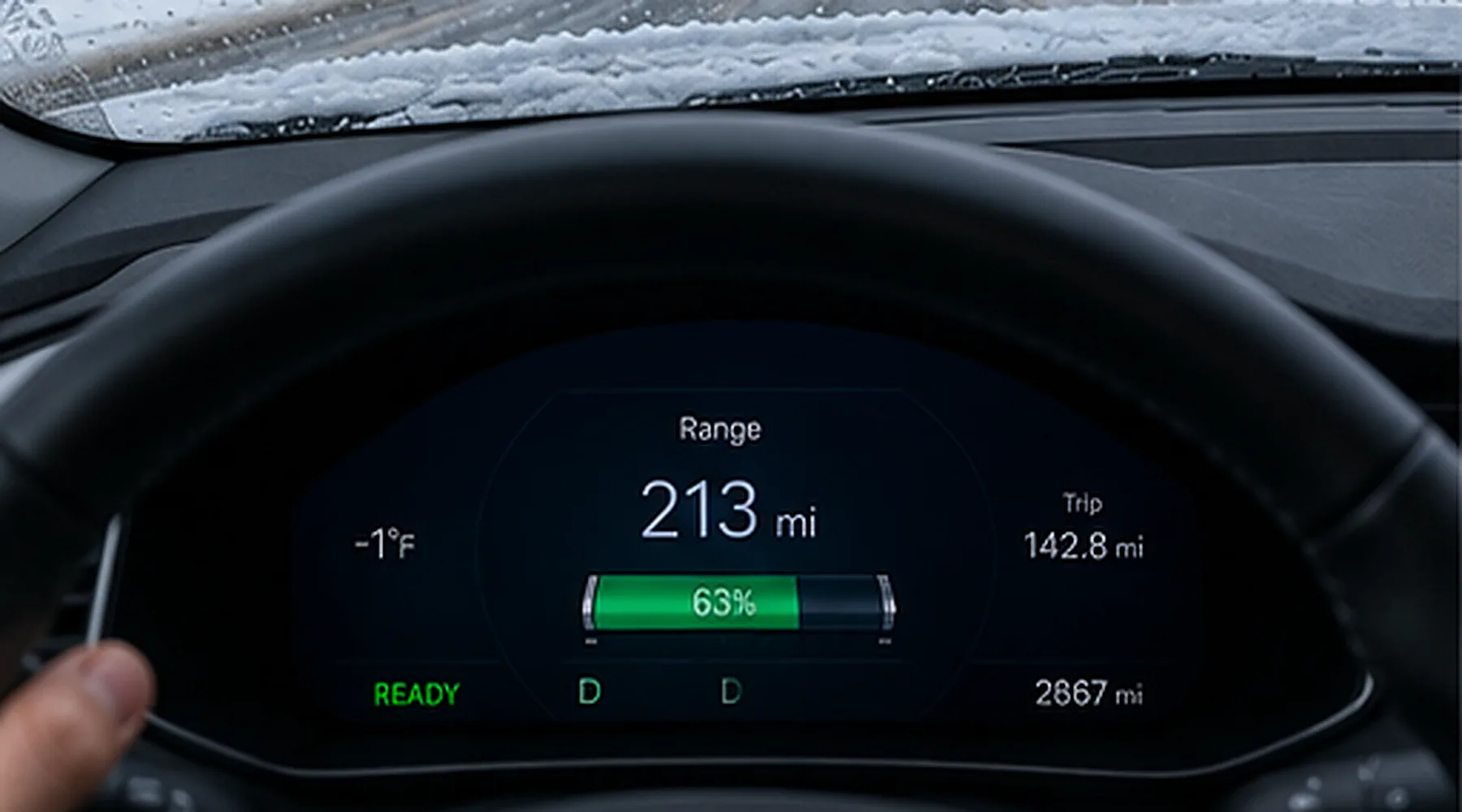
Expect a real reduction in cold weather — that is true of every EV and anyone who tells you otherwise is selling something. Cold slows the chemistry inside the battery, and a good portion of the loss actually comes from heating the cabin rather than moving the car. The practical fixes are simple: precondition the car while it is still plugged in, use the heated seats and heated steering wheel instead of blasting cabin heat, and park in a garage when you can. Most of our inventory is equipped with heated seats and a large share has a heated steering wheel, which matters more here than it does in most markets. Plan your range around winter numbers, not the sticker, and you will never be caught out.

Quite the opposite, and this surprises people. Electric motors deliver power far more precisely than a gas engine, which makes traction control noticeably better at managing a slippery start. The heavy battery sits low in the floor, which lowers the center of gravity and helps the car stay planted. On top of that, the overwhelming majority of our inventory is all-wheel drive — and the cabin warms up almost immediately instead of waiting on a cold engine. Winter tires still matter here. The drivetrain is not the weak link.

The same thing that happens when you run out of gas, with more warning. EVs give you repeated, hard-to-miss alerts as the battery gets low, and most will route you to nearby charging automatically. In practice, running an EV to zero takes real determination. If it does happen, roadside assistance can tow you to the nearest charger, and many plans cover exactly this scenario. The habit that prevents it is simple: plug in at home overnight and start most days with a full battery, which is the opposite of how you manage a gas tank.

EV charging

Charging & Ownership

Yes. Level 1 charging uses an ordinary 120-volt household outlet — the same one you would plug a lamp into — and requires no installation at all. It adds range slowly, but if your daily driving is a normal commute, plugging in every night is genuinely enough. Many owners run on Level 1 for months before deciding whether they want anything faster. Start there, learn your actual usage, then upgrade if you find you need it.

A Level 2 charger runs on a 240-volt circuit — the same type an electric dryer or range uses — and it needs to be installed by a licensed electrician. Cost depends almost entirely on your house: how far the charger sits from your electrical panel, whether the panel has capacity, and whether any of the run is outdoors. A short run to a modern panel in an attached garage is straightforward; an older panel or a detached garage costs more. Get a quote before you buy the hardware, and tell us where you park — we can point you in the right direction.

It depends on the charger far more than the car. Level 1 from a wall outlet adds a few miles of range per hour, which suits overnight charging and short commutes. Level 2 at home or at work typically restores a full daily charge overnight. DC fast charging, found along highways, can take most vehicles from low to roughly eighty percent in the time it takes to eat lunch. The mental shift is that you are not making trips to refuel — you leave with a full battery almost every morning, and only think about fast charging on longer drives.

Public charging in our area has grown quickly, with fast chargers along the Thruway corridor and Level 2 charging at shopping centers, hotels, workplaces and municipal lots throughout Monroe and Ontario counties. Apps built into most EVs, plus free apps like PlugShare, will show you live availability and pricing. Honestly though, the public network matters less than people assume — the large majority of charging happens at home while you sleep. Ask us what the coverage looks like along the routes you actually drive.

Much less than a gas car, which is a large part of the ownership savings. There are no oil changes, no spark plugs, no timing belts, no exhaust system and no transmission fluid. Because regenerative braking does much of the slowing, brake pads on an EV commonly last far longer than they would on a comparable gas vehicle. What remains is genuinely routine: tires, cabin air filter, wiper blades, brake fluid and coolant on the schedule in your owner's manual. Tires do tend to wear faster because EVs are heavier and torquier, so budget for those.

Both, with a little planning. Long-range EVs now cover a serious distance on a charge, and built-in navigation will route you through fast chargers automatically and precondition the battery so it charges at full speed when you arrive. The rhythm of a road trip changes rather than breaks: you stop a bit more often for a bit less time. If your driving is mostly local with occasional long hauls, a fully electric vehicle handles it comfortably. If you routinely tow or drive very long distances on unpredictable routes, a plug-in hybrid may suit you better — we stock those too, and we will tell you honestly which one fits your week.